










ruvnet/rufloPublic

🌊 The original agent meta-harness. Deploy intelligent multi-player swarms, coordinate autonomous workflows, and build conversational AI systems. Features adaptive memory, self-learning intelligence, RAG integration, and native Claude Code / Codex / Hermes and many more Integrated

AI summary: A comprehensive workflow orchestration engine designed specifically for complex AI agent pipelines.

Stars
67.1K
+114 today
Forks
8K
Watchers
429
Open issues
561
Open PRs
288
Contributors
~37
Commits
7.3K
Branches
481

TypeScriptMITCreated Jun 2, 2025Last push 2d agoLatest release v3.32.35+643 stars this week+643 this month

Star history

since Feb 22, 2026
020K40K60KFeb 2026Apr 2026Jun 2026Aug 2026
67.1K stars as of Aug 6, 2026, tracked back to Feb 22, 2026. Historical curve reconstructed from public GitHub event archives, calibrated to the current total.

Contribution activity

commits per day, last 52 weeks
AugSepOctNovDecJanFebMarAprMayJunJulMonWedFri2025-08-03: 114 commits2025-08-04: 252 commits2025-08-05: 297 commits2025-08-06: 480 commits2025-08-07: 161 commits2025-08-08: 0 commits2025-08-09: 0 commits2025-08-10: 0 commits2025-08-11: 60 commits2025-08-12: 447 commits2025-08-13: 98 commits2025-08-14: 21 commits2025-08-15: 0 commits2025-08-16: 132 commits2025-08-17: 0 commits2025-08-18: 0 commits2025-08-19: 0 commits2025-08-20: 0 commits2025-08-21: 37 commits2025-08-22: 0 commits2025-08-23: 0 commits2025-08-24: 0 commits2025-08-25: 0 commits2025-08-26: 85 commits2025-08-27: 0 commits2025-08-28: 0 commits2025-08-29: 33 commits2025-08-30: 0 commits2025-08-31: 0 commits2025-09-01: 0 commits2025-09-02: 2 commits2025-09-03: 0 commits2025-09-04: 12 commits2025-09-05: 0 commits2025-09-06: 102 commits2025-09-07: 5 commits2025-09-08: 0 commits2025-09-09: 0 commits2025-09-10: 0 commits2025-09-11: 0 commits2025-09-12: 0 commits2025-09-13: 0 commits2025-09-14: 0 commits2025-09-15: 0 commits2025-09-16: 0 commits2025-09-17: 0 commits2025-09-18: 39 commits2025-09-19: 4 commits2025-09-20: 0 commits2025-09-21: 0 commits2025-09-22: 3 commits2025-09-23: 0 commits2025-09-24: 5 commits2025-09-25: 0 commits2025-09-26: 125 commits2025-09-27: 0 commits2025-09-28: 0 commits2025-09-29: 0 commits2025-09-30: 10 commits2025-10-01: 0 commits2025-10-02: 0 commits2025-10-03: 0 commits2025-10-04: 1 commit2025-10-05: 0 commits2025-10-06: 0 commits2025-10-07: 0 commits2025-10-08: 0 commits2025-10-09: 6 commits2025-10-10: 3 commits2025-10-11: 1 commit2025-10-12: 11 commits2025-10-13: 7 commits2025-10-14: 0 commits2025-10-15: 1 commit2025-10-16: 0 commits2025-10-17: 0 commits2025-10-18: 0 commits2025-10-19: 1 commit2025-10-20: 9 commits2025-10-21: 0 commits2025-10-22: 3 commits2025-10-23: 4 commits2025-10-24: 17 commits2025-10-25: 14 commits2025-10-26: 0 commits2025-10-27: 0 commits2025-10-28: 0 commits2025-10-29: 0 commits2025-10-30: 0 commits2025-10-31: 0 commits2025-11-01: 0 commits2025-11-02: 0 commits2025-11-03: 0 commits2025-11-04: 0 commits2025-11-05: 0 commits2025-11-06: 6 commits2025-11-07: 0 commits2025-11-08: 0 commits2025-11-09: 0 commits2025-11-10: 1 commit2025-11-11: 0 commits2025-11-12: 6 commits2025-11-13: 1 commit2025-11-14: 0 commits2025-11-15: 0 commits2025-11-16: 0 commits2025-11-17: 0 commits2025-11-18: 0 commits2025-11-19: 0 commits2025-11-20: 0 commits2025-11-21: 0 commits2025-11-22: 0 commits2025-11-23: 0 commits2025-11-24: 2 commits2025-11-25: 15 commits2025-11-26: 2 commits2025-11-27: 0 commits2025-11-28: 0 commits2025-11-29: 3 commits2025-11-30: 0 commits2025-12-01: 0 commits2025-12-02: 0 commits2025-12-03: 0 commits2025-12-04: 1 commit2025-12-05: 0 commits2025-12-06: 0 commits2025-12-07: 0 commits2025-12-08: 0 commits2025-12-09: 6 commits2025-12-10: 0 commits2025-12-11: 0 commits2025-12-12: 0 commits2025-12-13: 0 commits2025-12-14: 0 commits2025-12-15: 0 commits2025-12-16: 0 commits2025-12-17: 0 commits2025-12-18: 0 commits2025-12-19: 0 commits2025-12-20: 0 commits2025-12-21: 0 commits2025-12-22: 0 commits2025-12-23: 0 commits2025-12-24: 0 commits2025-12-25: 0 commits2025-12-26: 0 commits2025-12-27: 0 commits2025-12-28: 0 commits2025-12-29: 0 commits2025-12-30: 0 commits2025-12-31: 0 commits2026-01-01: 0 commits2026-01-02: 0 commits2026-01-03: 17 commits2026-01-04: 278 commits2026-01-05: 239 commits2026-01-06: 94 commits2026-01-07: 350 commits2026-01-08: 269 commits2026-01-09: 29 commits2026-01-10: 0 commits2026-01-11: 0 commits2026-01-12: 124 commits2026-01-13: 208 commits2026-01-14: 178 commits2026-01-15: 122 commits2026-01-16: 7 commits2026-01-17: 51 commits2026-01-18: 0 commits2026-01-19: 0 commits2026-01-20: 4 commits2026-01-21: 9 commits2026-01-22: 10 commits2026-01-23: 17 commits2026-01-24: 13 commits2026-01-25: 5 commits2026-01-26: 44 commits2026-01-27: 14 commits2026-01-28: 12 commits2026-01-29: 0 commits2026-01-30: 0 commits2026-01-31: 0 commits2026-02-01: 26 commits2026-02-02: 85 commits2026-02-03: 0 commits2026-02-04: 0 commits2026-02-05: 0 commits2026-02-06: 0 commits2026-02-07: 221 commits2026-02-08: 175 commits2026-02-09: 48 commits2026-02-10: 118 commits2026-02-11: 13 commits2026-02-12: 6 commits2026-02-13: 1 commit2026-02-14: 0 commits2026-02-15: 0 commits2026-02-16: 3 commits2026-02-17: 5 commits2026-02-18: 0 commits2026-02-19: 0 commits2026-02-20: 0 commits2026-02-21: 0 commits2026-02-22: 0 commits2026-02-23: 0 commits2026-02-24: 0 commits2026-02-25: 0 commits2026-02-26: 3 commits2026-02-27: 6 commits2026-02-28: 8 commits2026-03-01: 0 commits2026-03-02: 0 commits2026-03-03: 0 commits2026-03-04: 0 commits2026-03-05: 9 commits2026-03-06: 2 commits2026-03-07: 0 commits2026-03-08: 0 commits2026-03-09: 1 commit2026-03-10: 0 commits2026-03-11: 0 commits2026-03-12: 0 commits2026-03-13: 0 commits2026-03-14: 0 commits2026-03-15: 0 commits2026-03-16: 1 commit2026-03-17: 15 commits2026-03-18: 5 commits2026-03-19: 4 commits2026-03-20: 1 commit2026-03-21: 0 commits2026-03-22: 0 commits2026-03-23: 0 commits2026-03-24: 0 commits2026-03-25: 13 commits2026-03-26: 0 commits2026-03-27: 0 commits2026-03-28: 0 commits2026-03-29: 0 commits2026-03-30: 0 commits2026-03-31: 0 commits2026-04-01: 0 commits2026-04-02: 4 commits2026-04-03: 0 commits2026-04-04: 0 commits2026-04-05: 0 commits2026-04-06: 33 commits2026-04-07: 6 commits2026-04-08: 4 commits2026-04-09: 0 commits2026-04-10: 0 commits2026-04-11: 1 commit2026-04-12: 0 commits2026-04-13: 0 commits2026-04-14: 0 commits2026-04-15: 0 commits2026-04-16: 0 commits2026-04-17: 0 commits2026-04-18: 0 commits2026-04-19: 0 commits2026-04-20: 0 commits2026-04-21: 0 commits2026-04-22: 0 commits2026-04-23: 0 commits2026-04-24: 0 commits2026-04-25: 0 commits2026-04-26: 0 commits2026-04-27: 12 commits2026-04-28: 10 commits2026-04-29: 9 commits2026-04-30: 14 commits2026-05-01: 18 commits2026-05-02: 1 commit2026-05-03: 81 commits2026-05-04: 42 commits2026-05-05: 36 commits2026-05-06: 30 commits2026-05-07: 4 commits2026-05-08: 25 commits2026-05-09: 23 commits2026-05-10: 7 commits2026-05-11: 11 commits2026-05-12: 11 commits2026-05-13: 22 commits2026-05-14: 28 commits2026-05-15: 3 commits2026-05-16: 5 commits2026-05-17: 0 commits2026-05-18: 21 commits2026-05-19: 36 commits2026-05-20: 9 commits2026-05-21: 27 commits2026-05-22: 1 commit2026-05-23: 6 commits2026-05-24: 6 commits2026-05-25: 10 commits2026-05-26: 3 commits2026-05-27: 7 commits2026-05-28: 8 commits2026-05-29: 15 commits2026-05-30: 17 commits2026-05-31: 2 commits2026-06-01: 2 commits2026-06-02: 10 commits2026-06-03: 0 commits2026-06-04: 2 commits2026-06-05: 0 commits2026-06-06: 0 commits2026-06-07: 0 commits2026-06-08: 9 commits2026-06-09: 7 commits2026-06-10: 3 commits2026-06-11: 5 commits2026-06-12: 11 commits2026-06-13: 2 commits2026-06-14: 1 commit2026-06-15: 5 commits2026-06-16: 97 commits2026-06-17: 65 commits2026-06-18: 3 commits2026-06-19: 0 commits2026-06-20: 0 commits2026-06-21: 0 commits2026-06-22: 9 commits2026-06-23: 5 commits2026-06-24: 0 commits2026-06-25: 13 commits2026-06-26: 121 commits2026-06-27: 18 commits2026-06-28: 0 commits2026-06-29: 9 commits2026-06-30: 0 commits2026-07-01: 3 commits2026-07-02: 0 commits2026-07-03: 16 commits2026-07-04: 13 commits2026-07-05: 9 commits2026-07-06: 1 commit2026-07-07: 4 commits2026-07-08: 0 commits2026-07-09: 3 commits2026-07-10: 0 commits2026-07-11: 0 commits2026-07-12: 0 commits2026-07-13: 9 commits2026-07-14: 20 commits2026-07-15: 8 commits2026-07-16: 16 commits2026-07-17: 8 commits2026-07-18: 6 commits2026-07-19: 0 commits2026-07-20: 5 commits2026-07-21: 0 commits2026-07-22: 0 commits2026-07-23: 0 commits2026-07-24: 0 commits2026-07-25: 0 commits2026-07-26: 25 commits2026-07-27: 10 commits2026-07-28: 6 commits2026-07-29: 15 commits2026-07-30: 0 commits2026-07-31: 0 commits2026-08-01: 0 commits
6,690 commits in the last yearLessMore

Signals and awards

derived from tracked data
  • Landmark project

    67,137 stars

  • Very active

    6,690 commits in 52 weeks

  • Well documented

    High community health score

  • Permissive license

    MIT

  • Continuous integration

    Automated checks passing

  • Repeat trending

    18 trending appearances

What ruflo does

Ruflo is an orchestration engine that structures complex workflows for autonomous AI agents. It enables developers to define intricate dependencies between multiple AI tasks, ensuring they execute in the correct order. The system handles state management and data passing between different agentic nodes seamlessly. By leveraging a declarative configuration style, it simplifies the setup of robust pipelines that can handle failure and retries automatically. It is particularly adept at scaling these workflows across distributed infrastructure.

Built for data engineers, AI researchers, and backend developers who need to manage complex, multi-step AI operations. Users should understand pipeline orchestration concepts and basic system architecture.

  • Declarative pipelines: Allows users to define complex workflows using simple YAML configurations.
  • State management: Persists data reliably between various steps of a multi-agent process.
  • Automatic retries: Implements intelligent backoff strategies for tasks that fail due to API rate limits.
  • Visual debugging: Provides a real-time dashboard to monitor the execution state of all active pipelines.
  • Extensible nodes: Supports custom task definitions via a flexible plugin architecture.

Where teams use it

Multi-agent research

Orchestrates multiple agents to gather, synthesize, and summarize information from various sources.

Automated data pipelines

Structures the extraction, transformation, and loading of data using AI-driven parsing.

Complex customer support

Routes incoming queries through various specialized AI agents before providing a final response.

Batch content generation

Manages the large-scale creation of marketing materials by coordinating copywriters and image generators.

Getting started: pip install ruflo

README

main branch

Ruflo Banner Agentics Foundation Banner

Try the UI Beta — flo.ruv.io npm version (ruflo) MIT License Star on GitHub

Goal Planner Live Agents 🕸️ RuVector Agentic DB Ecosystem downloads Git clones (14d) Claude Code Codex Plugin

Ruflo

An agent meta-harness for Claude Code and Codex.
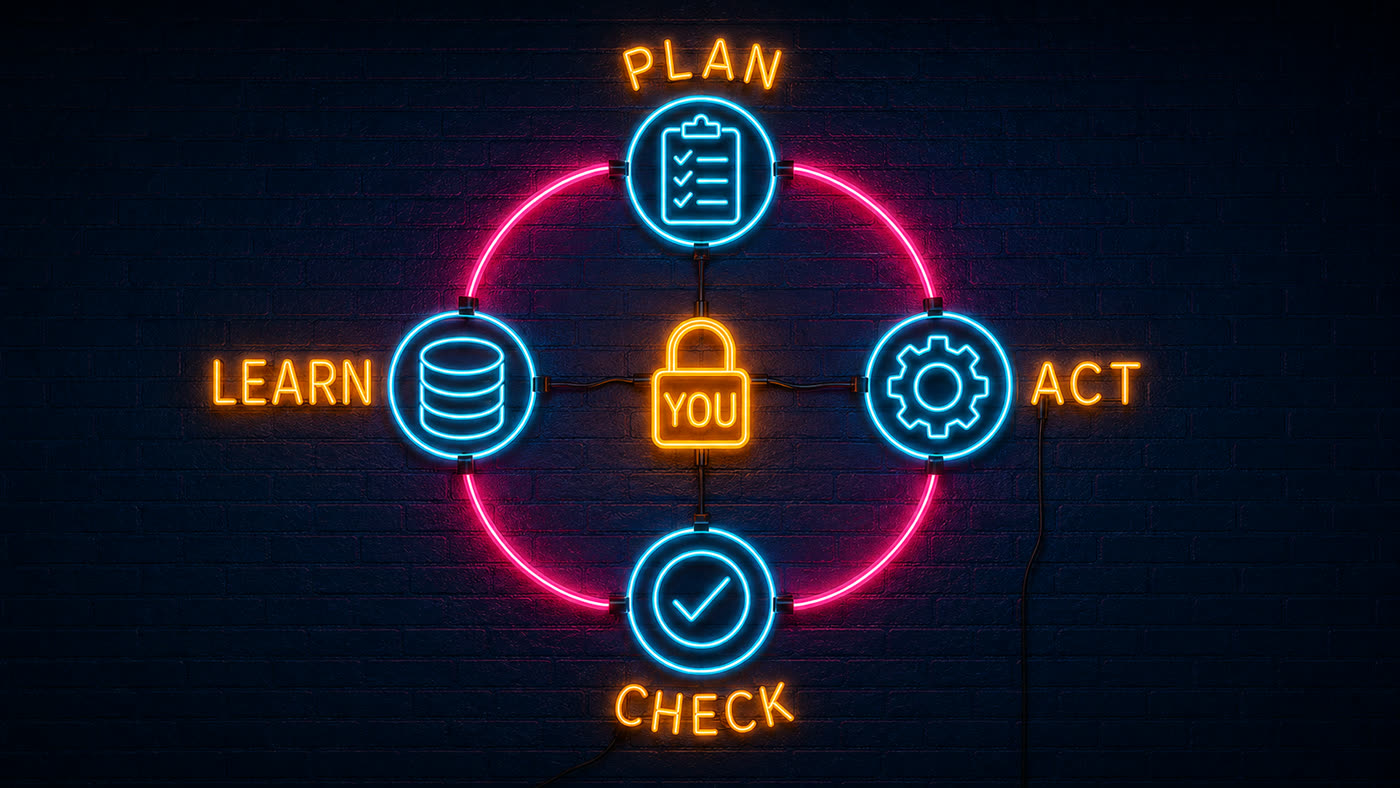
Agent = Model + Harness. The model writes; the harness gives it tools, memory, loops, sandboxes, and controls so it can actually work. Ruflo is the harness — the execution layer around Claude Code and Codex that adds 100+ specialized agents, coordinated swarms, self-learning memory, federated comms across machines, and enterprise security guardrails. So agents don't just run, they collaborate.

One npx ruflo init gives Claude Code a nervous system: agents self-organize into swarms, learn from every task, remember across sessions, and — with federation — securely talk to agents on other machines without leaking data. You keep writing code. Ruflo handles the coordination.

Self-Learning / Self-Optimizing Agent Architecture

User --> Ruflo (CLI/MCP) --> Router --> Swarm --> Agents --> Memory --> LLM Providers
                          ^                           |
                          +---- Learning Loop <-------+

New to Ruflo? You don't need to learn 314 MCP tools or 26 CLI commands. After init, just use Claude Code normally — the hooks system automatically routes tasks, learns from successful patterns, and coordinates agents in the background.

📖 Background — where the name comes from

Claude Flow is now Ruflo — named by rUv, who loves Rust, flow states, and building things that feel inevitable. The "Ru" is the rUv. The "flo" is working until 3am. Underneath, powered by Cognitum.One agentic architecture, running a supercharged Rust-based AI engine, embeddings, memory, and plugin system.


Ruflo Plugins

Quick Start

There are two different install paths with very different surface areas. Pick based on what you need (#1744):

Claude Code Plugin CLI install (npx ruflo init)
What it gives you Slash commands + a few skills + agent definitions per-plugin Full Ruflo loop — 98 agents, 60+ commands, 30 skills, MCP server, hooks, daemon
Files in your workspace Zero .claude/, .claude-flow/, CLAUDE.md, helpers, settings
MCP server registered No (memory_store, swarm_init, etc. unavailable to Claude) Yes
Hooks installed No Yes
Best for Try a single plugin's commands without committing to the full install Production use — everything works as documented

Path A — Claude Code Plugins (lite, slash commands only)

# Add the marketplace
/plugin marketplace add ruvnet/ruflo

# Install core + any plugins you need
/plugin install ruflo-core@ruflo
/plugin install ruflo-swarm@ruflo
/plugin install ruflo-rag-memory@ruflo
/plugin install ruflo-neural-trader@ruflo

This adds slash commands and agent definitions only. The Ruflo MCP server is NOT registered, so memory_store, swarm_init, agent_spawn, etc. won't be callable from Claude. For the full loop, use Path B below.

🔌 All 35 plugins

Core & Orchestration

Plugin What it does
ruflo-core Foundation — server, health checks, plugin discovery
ruflo-swarm Coordinate multiple agents as a team
ruflo-autopilot Let agents run autonomously in a loop
ruflo-loop-workers Schedule background tasks on a timer
ruflo-workflows Reusable multi-step task templates
ruflo-federation Agents on different machines collaborate securely

Memory & Knowledge

Plugin What it does
ruflo-agentdb Fast vector database for agent memory
ruflo-rag-memory Smart retrieval — hybrid search, graph hops, diversity ranking
ruflo-rvf Save and restore agent memory across sessions
ruflo-ruvector ruvector — GPU-accelerated search, Graph RAG, 103 tools
ruflo-knowledge-graph Build and traverse entity relationship maps

Intelligence & Learning

Plugin What it does
ruflo-intelligence Agents learn from past successes and get smarter
ruflo-graph-intelligence Sublinear graph reasoning — PageRank, delta updates, complexity-aware execution (ADR-123)
ruflo-daa Dynamic agent behavior and cognitive patterns
ruflo-ruvllm Run local LLMs (Ollama, etc.) with smart routing
ruflo-goals Break big goals into plans and track progress

Code Quality & Testing

Plugin What it does
ruflo-testgen Find missing tests and generate them automatically
ruflo-browser Automate browser testing with Playwright
ruflo-jujutsu Analyze git diffs, score risk, suggest reviewers
ruflo-docs Generate and maintain documentation automatically

Security & Compliance

Plugin What it does
ruflo-security-audit Scan for vulnerabilities and CVEs
ruflo-aidefence Block prompt injection, detect PII, safety scanning

Architecture & Methodology

Plugin What it does
ruflo-adr Track architecture decisions with a living record
ruflo-ddd Scaffold domain-driven design — contexts, aggregates, events
ruflo-sparc Guided 5-phase development methodology with quality gates
ruflo-metaharness Grade your agent setup, scan tool configs for security risks, and track changes over time (guide)
ruflo-arena Competitive ruliology — pit agent strategies against each other in tournaments, hill-climb and co-evolve the winners (ADR-147/148)

DevOps & Observability

Plugin What it does
ruflo-migrations Manage database schema changes safely
ruflo-observability Structured logs, traces, and metrics in one place
ruflo-cost-tracker Track token usage, set budgets, get cost alerts

Extensibility

Plugin What it does
ruflo-agent Run agents — local WASM sandbox (rvagent) + Anthropic Claude Managed Agents (cloud)
ruflo-plugin-creator Scaffold, validate, and publish your own plugins

Domain-Specific

Plugin What it does
ruflo-iot-cognitum IoT device management — trust scoring, anomaly detection, fleets
ruflo-neural-trader neural-trader — AI trading with 4 agents, backtesting, 112+ tools
ruflo-market-data Ingest market data, vectorize OHLCV, detect patterns

CLI Install

macOS / Linux / WSL / Git-Bash:

# One-line install (POSIX shells only — see Windows note below)
curl -fsSL https://cdn.jsdelivr.net/gh/ruvnet/ruflo@main/scripts/install.sh | bash

All platforms (including native Windows PowerShell / cmd):

# Interactive setup wizard — runs identically on every platform
npx ruflo@latest init wizard

# Quick non-interactive init
# npx ruflo@latest init

# Or install globally
npm install -g ruflo@latest

💡 Windows users: the curl ... | bash form needs a POSIX shell (Git-Bash, WSL, MSYS). The npx ruflo@latest init wizard line works natively in PowerShell and cmd. If you hit an 'bash' is not recognized error, use the npx line instead — both end up running the same init flow.

MCP Server

# Add Ruflo as an MCP server in Claude Code (canonical form, matches USERGUIDE.md)
claude mcp add ruflo -- npx ruflo@latest mcp start

What You Get

Capability Description
🤖 100+ Agents Specialized agents for coding, testing, security, docs, architecture
📡 Comms Layer Zero-trust federation — agents across machines/orgs discover, authenticate, and exchange work securely
🐝 Swarm Coordination Hierarchical, mesh, and adaptive topologies with consensus
🧠 Self-Learning SONA neural patterns, ReasoningBank, trajectory learning
💾 Vector Memory HNSW-indexed AgentDB — measured ~1.9x faster at N=20k, ~3.2x–4.7x at N=5k vs brute force (recall@10 ~0.99); ANN wins above the crossover, ties/loses at small N. See audit + scripts/benchmark-intelligence.mjs
Background Workers 12 auto-triggered workers (audit, optimize, testgaps, etc.)
🧩 Plugin Marketplace 33 native Claude Code plugins + 21 npm plugins
🔌 Multi-Provider Claude, GPT, Gemini, Cohere, Ollama with smart routing
🛡️ Security AIDefence, input validation, CVE remediation, path traversal prevention
🌐 Agent Federation Cross-installation agent collaboration with zero-trust security
🔬 MetaHarness Audit your AI agent setup before you ship. Grade readiness (1-100), scan tool configs for security issues, snapshot the whole project to catch regressions over time, and find templates that match your repo. ruflo eject turns a ruflo project into a standalone agent toolkit with its own name. Full guide.
💬 Web UI Beta Multi-model chat at flo.ruv.io with parallel MCP tool calling and an in-browser WASM tool gallery
🎯 RuFlo Research GOAP A* planner at goal.ruv.io — plain-English goals → executable agent plans, with a live agent dashboard at /agents

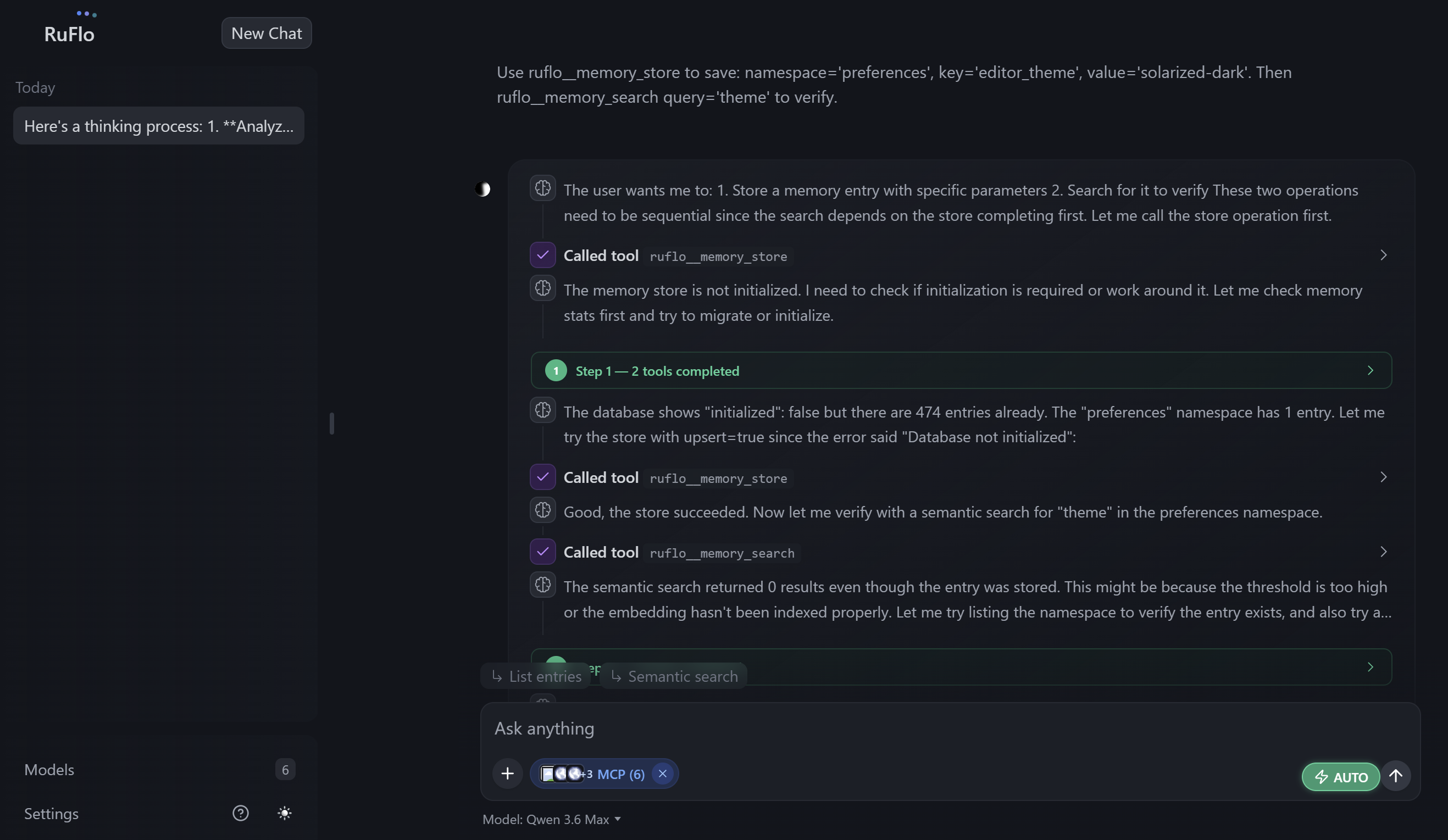
RuFlo Web UI executing parallel MCP tool calls at flo.ruv.io — ruflo__memory_store and ruflo__memory_search firing in a single model turn with the 'Step 1 — 2 tools completed' parallel-execution indicator, thinking process panel visible, Qwen 3.6 Max as the active model. Multi-agent AI chat with Model Context Protocol (MCP) tool calling, persistent vector memory via AgentDB + HNSW, swarm coordination, and 6 frontier models including Claude Sonnet 4.6, Gemini 2.5 Pro, and OpenAI through OpenRouter.

Web UI (Beta) — self-hostable, hosted demo at flo.ruv.io

RuFlo's web UI is a multi-model AI chat with built-in Model Context Protocol (MCP) tool calling. Talk to Qwen, Claude, Gemini, or OpenAI while RuFlo invokes the same MCP tools the CLI uses — agent orchestration, persistent memory, swarm coordination, code review, GitHub ops — directly from chat. No install, no API key needed to try it.

What it is Why it matters
🧠 Any model, local or remote 6 curated frontier models out-of-the-box — Qwen 3.6 Max (default), Claude Sonnet 4.6, Claude Haiku 4.5, Gemini 2.5 Pro, Gemini 2.5 Flash, OpenAI — via OpenRouter. Add your own: any OpenAI-compatible endpoint (vLLM, Ollama, LM Studio, Together, Groq, self-hosted).
🦾 ruvLLM self-learning AI Native support for ruvLLM (lives in ruvnet/RuVector/examples/ruvLLM) — RuFlo's self-improving local model layer. Routes to MicroLoRA adapters, learns from your trajectories via SONA, and stays on your machine. Pair with the cloud models or run fully offline.
🛠️ ~210 tools, ready to call 5 server groups (Core, Intelligence, Agents, Memory, DevTools) plus an 18-tool gallery that runs entirely in your browser — works offline.
🔌 Bring your own MCP servers Click the MCP (n) pill in the chat input → Add Server and paste any MCP endpoint (HTTP, SSE, or stdio). Your tools join RuFlo's native ones in the same parallel-execution flow. Run a local MCP server on localhost:3000 and it just works.
Tools run in parallel One model response can fire 4–6+ tools at the same time. The UI shows them as cards with a Step 1 — 2 tools completed badge so you can see exactly what ran.
💾 Memory that sticks Say "remember my favorite color is indigo" and ask weeks later — RuFlo recalls it. Backed by AgentDB + HNSW vector search (measured ~1.9x–4.7x faster than brute force above the crossover, recall@10 ~0.99).
📘 Built-in capabilities tour Click the question-mark icon in the sidebar — a "RuFlo Capabilities" modal opens with the full tool list, model strengths, architecture, and keyboard shortcuts.
🏠 Self-hostable Web UI is shipped as Docker (ruflo/src/ruvocal/Dockerfile) with embedded Mongo. Deploy to your own Cloud Run / Fly / Kubernetes / docker-compose. The hosted flo.ruv.io demo is one option; running your own is fully supported.
🚀 Zero install to try Open the hosted URL, pick a model, type a question. That's the whole onboarding.

Try the hosted demo: https://flo.ruv.io/ — no account, no API key. Run your own: the source lives in ruflo/src/ruvocal/ with a multi-stage Dockerfile (INCLUDE_DB=true builds in MongoDB) and a cloudbuild.yaml for Google Cloud Run. See ADR-033 for the architecture and issue #1689 for the roadmap.
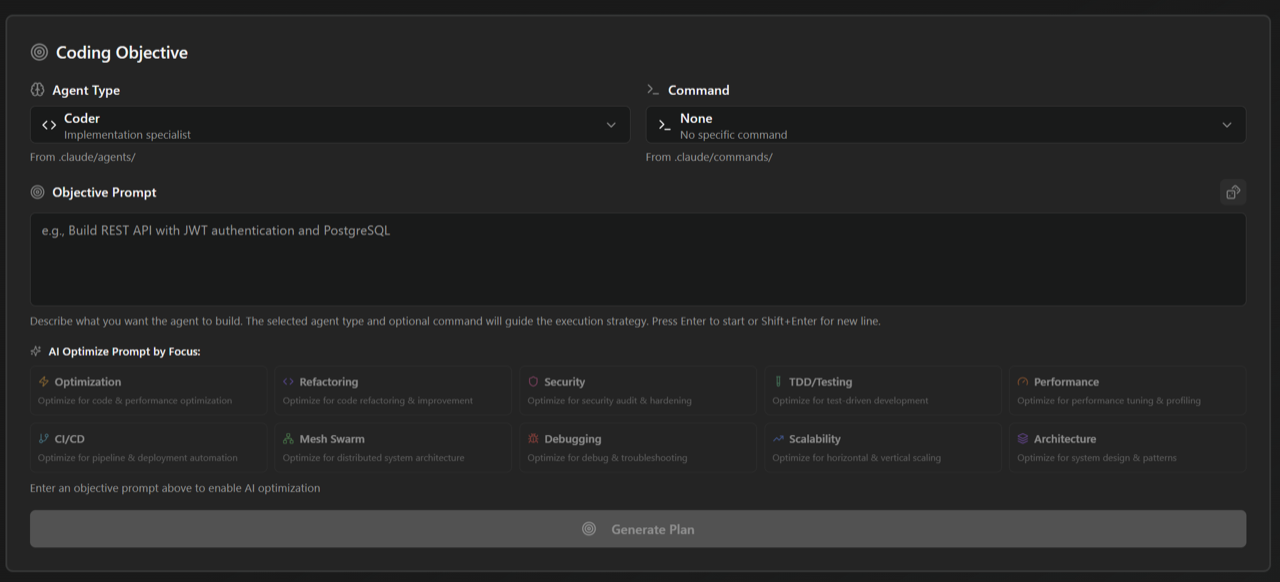
goal.ruv.io/agents — RuFlo Goal-Oriented Action Planning (GOAP) UI for autonomous AI agents. Visual goal decomposition, A* search through state spaces, multi-agent task assignment, and live agent telemetry.

Goal Planner UI — autonomous agents at goal.ruv.io

Turn high-level goals into executable agent plans. goal.ruv.io is RuFlo's hosted Goal-Oriented Action Planning (GOAP) front-end — describe an outcome in plain English and watch RuFlo decompose it into preconditions, actions, and an A* path through state space, then dispatch the work to live agents at /agents.

What it is Why it matters
🎯 Plain-English goals Type "ship the auth refactor with tests and a PR" — RuFlo extracts the success criteria, the constraints, and the implicit preconditions. No JSON, no DSL.
🧭 GOAP A* planner Classic gaming-AI planning ported to software work: state-space search through actions with preconditions/effects to find the shortest viable path. Replans on the fly when state changes.
🤖 Live agent dashboard goal.ruv.io/agents shows every spawned agent — role, current step, memory namespace, token budget, status. Click in to inspect trajectories, kill runaway workers, or reassign.
🌳 Visual plan tree Goals render as collapsible action trees with progress, blocked branches, and rollbacks highlighted. See exactly why an agent picked a path — no opaque chain-of-thought.
♻️ Adaptive replanning When an action fails or new info arrives, the planner re-runs A* from the current state instead of restarting. Failures become learning, not loops.
🧠 Shared memory + SONA Plans, trajectories, and outcomes flow into AgentDB. Future plans retrieve past solutions via HNSW — the planner gets smarter with every run.
🔗 Wired to MCP tools Every action node maps to a tool call (RuFlo's ~210 MCP tools, your custom servers, or shell). The planner schedules them in parallel where the dependency graph allows.
🚀 Zero install to try Open goal.ruv.io, describe a goal, watch it run. Source lives in v3/goal_ui/ — Vite + Supabase, self-hostable.

Try it: https://goal.ruv.io/ for goals · https://goal.ruv.io/agents for live agents. Run your own: clone the goal branch and cd v3/goal_ui && npm install && npm run dev.

Agent Federation — Slack for Agents

Your Agent --> [ Remove secrets ] --> [ Sign message ] --> [ Encrypted channel ]
                 Emails, SSNs,        Proves it came       No one reads it
                 keys stripped         from you              in transit
                                                                |
                                                                v
Their Agent <-- [ Block attacks ] <-- [ Check identity ] <------+
                 Stops prompt          Rejects forgeries
                 injection

                          Audit trail on both sides.
                  Trust builds over time. Bad behavior = instant downgrade.

Slack gave teams channels. Federation gives agents the same thing — shared workspaces across trust boundaries, where agents on different machines, orgs, or cloud regions can discover each other, prove who they are, and collaborate on tasks.

The difference: some channels are trusted, some aren't. @claude-flow/plugin-agent-federation handles that automatically. Your agents join a federation, get verified via mTLS + ed25519, and start exchanging work — with PII stripped before anything leaves your node and every message auditable. Untrusted agents can still participate at lower privilege: they see discovery info, not your memory. As they prove reliable, trust upgrades. If they misbehave, they get downgraded instantly — no human in the loop required.

You don't configure handshakes or manage certificates. You federation init, federation join, and your agents start talking. The protocol handles identity, the PII pipeline handles data safety, and the audit trail handles compliance.

📘 Full user guide: docs/federation/ — setup, MCP tools, trust levels, circuit breaker, and the (opt-in) WireGuard mesh layer that ties packet-layer reachability to federation trust. ADR-111 deep-dive at docs/federation/phase7-mesh-bringup.md.

Federation capabilities
Capability How it works
🔒 Zero-trust federation Remote agents start untrusted. Identity proven via mTLS + ed25519 challenge-response. No API keys, no shared secrets.
🛡️ PII-gated data flow 14-type detection pipeline scans every outbound message. Per-trust-level policies: BLOCK, REDACT, HASH, or PASS. Adaptive calibration reduces false positives.
📊 Behavioral trust scoring Formula (0.4×success + 0.2×uptime + 0.2×threat + 0.2×integrity) continuously evaluates peers. Upgrades require history; downgrades are instant.
📋 Compliance built-in HIPAA, SOC2, GDPR audit trails as compliance modes. Every federation event produces a structured record searchable via HNSW.
🤝 9 MCP tools + 10 CLI commands Full lifecycle: federation_init, federation_send, federation_trust, federation_audit, and more.
Example: two teams sharing fraud signals without sharing customer data
# Team A: initialize federation and generate keypair
npx claude-flow@latest federation init

# Team A: join Team B's federation endpoint
npx claude-flow@latest federation join wss://team-b.example.com:8443

# Team A: send a task — PII is stripped automatically before it leaves
npx claude-flow@latest federation send --to team-b --type task-request \
  --message "Analyze transaction patterns for account anomalies"

# Team A: check peer trust levels and session health
npx claude-flow@latest federation status

See issue #1669 for the complete architecture, trust model, and implementation roadmap.

# Claude Code plugin
/plugin install ruflo-federation@ruflo

# Or via CLI
npx claude-flow@latest plugins install @claude-flow/plugin-agent-federation
Claude Code: With vs Without Ruflo
Capability Claude Code Alone + Ruflo
Agent Collaboration Isolated, no shared context Swarms with shared memory and consensus
Coordination Manual orchestration Queen-led hierarchy (Raft, Byzantine, Gossip)
Memory Session-only HNSW vector memory with sub-ms retrieval
Learning Static behavior SONA self-learning with pattern matching
Task Routing You decide Intelligent routing (89% accuracy)
Background Workers None 12 auto-triggered workers
LLM Providers Anthropic only 5 providers with failover
Security Standard CVE-hardened with AIDefence
Architecture overview
User --> Claude Code / CLI
          |
          v
    Orchestration Layer
    (MCP Server, Router, 27 Hooks)
          |
          v
    Swarm Coordination
    (Queen, Topology, Consensus)
          |
          v
    100+ Specialized Agents
    (coder, tester, reviewer, architect, security...)
          |
          v
    Memory & Learning
    (AgentDB, HNSW, SONA, ReasoningBank)
          |
          v
    LLM Providers
    (Claude, GPT, Gemini, Cohere, Ollama)

Documentation

Four docs for four audiences:

Doc When to read it
Status See what currently works — capability counts, test baselines, recent fixes, what's next. The is-it-ready doc.
User Guide Daily reference — every command, every config flag, every plugin. The how-do-I doc.
MetaHarness Guide How to grade your agent setup, scan tool configs for security, detect changes between runs, and eject a project into a standalone agent toolkit. The audit-my-setup doc.
Benchmarks v3.8.0 SOTA matrix vs LangGraph / AutoGen / CrewAI on darwin-arm64 + linux-x64. ruflo wins cold start, single turn, RSS by 1.3×–1953×. The is-it-fast doc.
Verification Cryptographically prove your installed bytes match the signed witness — ruflo verify. The trust-but-verify doc.
Team Gateway Checklist Before-merge gates, dual-mode handoff, memory namespace sharing, and witness manifest entry per merge. The safer-team-workflows doc.

Benchmark internals (for reproduction): sota-workload-spec.md · SOTA-PROGRESS.md · raw matrix JSON: darwin · linux

User Guide section index:

Section Topics
Quick Start Installation, prerequisites, install profiles
Core Features MCP tools, agents, memory, neural learning
Intelligence & Learning Hooks, workers, SONA, model routing
Swarm & Coordination Topologies, consensus, hive mind
Security AIDefence, CVE remediation, validation
Ecosystem RuVector, agentic-flow, Flow Nexus
Configuration Environment variables, config schema
Plugin Marketplace Browse and install plugins

Support

Resource Link
Documentation User Guide
Issues & Bugs GitHub Issues
Enterprise ruv.io
Community Agentics Foundation Discord
Powered by Cognitum.one

License

MIT - RuvNet

View on GitHub

Recent activity

commits and pull requests

Releases and announcements

1,000 total
  1. # Ruflo v3.32.35: Adaptive Swarms and Safer Learning Loops Ruflo v3.32.35 gives long-running agent teams a controlled way to learn which workers should receive future tasks. The new `pheromone-adaptive` topology combines outcome, latency, and consensus signals while preserving protected roles, a minimum active quorum, and existing permissions. It begins in dry-run mode so teams can inspect its decisions before enabling scheduling changes. This release also makes the surrounding learning loop more trustworthy: project flywheels must evaluate against a project-local, hash-pinned benchmark; learned routing updates inside a live MCP process; AgentDB deletes and upserts remove stale vectors; and daemon auto-start is limited to actual Ruflo projects. ## Install or upgrade ```bash npm install --global ruflo@3.32.35 ruflo doctor ``` Existing installations remain compatible. The default topology is still `hierarchical`, old swarm state remains readable, historical flywheel receipts remain verifiable, and the new adaptive scheduler is opt-in. ## Try adaptive swarm scheduling Start in the default calibration mode: ```bash ruflo swarm init \ --topology pheromone-adaptive \ --max-ag

  2. # Ruflo v3.32.34: Reliable Memory Writes on Existing Installations v3.32.34 repairs a migration gap that could prevent `memory store` and MCP `memory_store` writes on databases created before ADR-323. The native AgentDB bridge now adds the required `provenance_type` column to existing `memory_entries` tables before writing. If that migration cannot run because the database is read-only, locked, or damaged, Ruflo fails closed and reports the native bridge error instead of presenting an unrelated WAL fallback message. The bridge failure latch is also recoverable: shutdown resets it, successful native writes clear stale diagnostics, and degradation notices remain visible. ## Install or upgrade ```bash npm install --global ruflo@3.32.34 ruflo doctor ``` Existing databases are migrated automatically on the first native bridge access. No manual SQL is required. ## Verify memory round-trip ```bash ruflo memory store \ --key release-3.32.34-check \ --value "memory bridge migration works" \ --namespace verification ruflo memory retrieve \ --key release-3.32.34-check \ --namespace verification ``` For MCP clients, the equivalent `memory_store` and `memory_retrieve` tools

  3. # Ruflo v3.32.33: Autopilot Scope Enforcement at the Real CLI Boundary v3.32.33 completes the Flywheel and Autopilot reliability release by enforcing explicit task-source validation through the same normalized flags users pass to the CLI. The V3 parser converts kebab-case options such as `--task-sources` and `--max-iterations` to `taskSources` and `maxIterations`. The initial validation implementation correctly rejected unsupported values at the service and MCP layers but read the legacy kebab-case keys in the CLI action. As a result, the real command ignored the supplied value and persisted the default source set. This release reads the parser's canonical camelCase keys while retaining the legacy keys for direct action callers. A parser-to-command integration test and an immutable-tarball release smoke now prove that unsupported task sources fail without creating state. ## Install or upgrade ```bash npm install --global ruflo@3.32.33 ruflo doctor ``` ## Configure an exact Autopilot scope ```bash ruflo autopilot config \ --task-sources swarm-tasks,file-checklist \ --max-iterations 77 ``` Unsupported sources fail and leave the stored configuration unchanged: ```bash ruf

  4. # Ruflo v3.32.30: Capability Brain, Now Complete in the Public Install Ruflo can coordinate hundreds of agent, memory, policy, federation, and MetaHarness capabilities—but users should not have to memorize that surface or install unpublished internal packages to make it work. v3.32.30 makes the public install self-contained and teaches newly initialized agents how to use the system safely. This is a corrective release for v3.32.29. That package exposed the new policy runtime through a static `@claude-flow/security` import while declaring the unpublished package optional. Fresh installs could run `--version`, but policy and daemon command loading failed with `ERR_MODULE_NOT_FOUND`. v3.32.30 embeds the reviewed Security, Codex, and federation runtimes in each applicable public artifact and promotes their public transitive dependencies to the containing package. ## What this enables - Ask `guidance_brain` which registered Ruflo capabilities fit a task instead of guessing tool names. - Run the full policy ledger, daemon, MCP, and standard CLI command surface from a fresh three-package installation. - Generate `CLAUDE.md` and `AGENTS.md` instructions that use the Capability Br

  5. # Ruflo v3.32.29: Capability Brain — Corrected Stable Train v3.32.29 is the corrective stable publication of the Capability Brain work first preserved in the immutable [v3.32.28 source release](https://github.com/ruvnet/ruflo/releases/tag/v3.32.28). The v3.32.28 npm train was not published: its release credential was rejected, and the intended federation `1.0.0-alpha.17` coordinate was already occupied by an older artifact. Ruflo did not move the existing tag or reuse the immutable package coordinate. This release advances `ruflo`, `claude-flow`, and `@claude-flow/cli` to `3.32.29`, advances the federation plugin to `1.0.0-alpha.18`, and retains the reviewed `@claude-flow/security@3.0.0-alpha.14` and `@claude-flow/codex@3.0.3` components. The original release and its end-user gist remain intact. The corrected end-user guide is available as a [separate v3.32.29 gist](https://gist.github.com/ruvnet/934130093d333bde1a3f0f83d7d95115). Ruflo has grown into a large agentic runtime, but its old MCP guidance catalog only knew about 61 of the 353 tools available in a fully equipped process. That made powerful features hard to discover and made agents more likely to guess at stale tool na

Commits per week

last 52 weeks
13040Week of 2025-08-03: 1304 commitsWeek of 2025-08-10: 758 commitsWeek of 2025-08-17: 37 commitsWeek of 2025-08-24: 118 commitsWeek of 2025-08-31: 116 commitsWeek of 2025-09-07: 5 commitsWeek of 2025-09-14: 43 commitsWeek of 2025-09-21: 133 commitsWeek of 2025-09-28: 11 commitsWeek of 2025-10-05: 10 commitsWeek of 2025-10-12: 19 commitsWeek of 2025-10-19: 48 commitsWeek of 2025-10-26: 0 commitsWeek of 2025-11-02: 6 commitsWeek of 2025-11-09: 8 commitsWeek of 2025-11-16: 0 commitsWeek of 2025-11-23: 22 commitsWeek of 2025-11-30: 1 commitsWeek of 2025-12-07: 6 commitsWeek of 2025-12-14: 0 commitsWeek of 2025-12-21: 0 commitsWeek of 2025-12-28: 17 commitsWeek of 2026-01-04: 1259 commitsWeek of 2026-01-11: 690 commitsWeek of 2026-01-18: 53 commitsWeek of 2026-01-25: 75 commitsWeek of 2026-02-01: 332 commitsWeek of 2026-02-08: 361 commitsWeek of 2026-02-15: 8 commitsWeek of 2026-02-22: 17 commitsWeek of 2026-03-01: 11 commitsWeek of 2026-03-08: 1 commitsWeek of 2026-03-15: 26 commitsWeek of 2026-03-22: 13 commitsWeek of 2026-03-29: 4 commitsWeek of 2026-04-05: 44 commitsWeek of 2026-04-12: 0 commitsWeek of 2026-04-19: 0 commitsWeek of 2026-04-26: 64 commitsWeek of 2026-05-03: 241 commitsWeek of 2026-05-10: 87 commitsWeek of 2026-05-17: 100 commitsWeek of 2026-05-24: 66 commitsWeek of 2026-05-31: 16 commitsWeek of 2026-06-07: 37 commitsWeek of 2026-06-14: 171 commitsWeek of 2026-06-21: 166 commitsWeek of 2026-06-28: 41 commitsWeek of 2026-07-05: 17 commitsWeek of 2026-07-12: 67 commitsWeek of 2026-07-19: 5 commitsWeek of 2026-07-26: 56 commitsAug 3, 2025Jul 26, 2026
6.7K commits in the last 52 weeks.

When work happens

weekday and hour
SunMonTueWedThuFriSat036912151821Sun 0:00 — 26 commitsSun 1:00 — 10 commitsSun 2:00 — 17 commitsSun 3:00 — 32 commitsSun 4:00 — 0 commitsSun 5:00 — 5 commitsSun 6:00 — 0 commitsSun 7:00 — 1 commitsSun 8:00 — 0 commitsSun 9:00 — 0 commitsSun 10:00 — 6 commitsSun 11:00 — 9 commitsSun 12:00 — 85 commitsSun 13:00 — 34 commitsSun 14:00 — 8 commitsSun 15:00 — 10 commitsSun 16:00 — 33 commitsSun 17:00 — 116 commitsSun 18:00 — 10 commitsSun 19:00 — 129 commitsSun 20:00 — 75 commitsSun 21:00 — 74 commitsSun 22:00 — 56 commitsSun 23:00 — 18 commitsMon 0:00 — 37 commitsMon 1:00 — 8 commitsMon 2:00 — 5 commitsMon 3:00 — 25 commitsMon 4:00 — 45 commitsMon 5:00 — 26 commitsMon 6:00 — 20 commitsMon 7:00 — 1 commitsMon 8:00 — 3 commitsMon 9:00 — 8 commitsMon 10:00 — 13 commitsMon 11:00 — 14 commitsMon 12:00 — 13 commitsMon 13:00 — 24 commitsMon 14:00 — 68 commitsMon 15:00 — 87 commitsMon 16:00 — 53 commitsMon 17:00 — 79 commitsMon 18:00 — 79 commitsMon 19:00 — 106 commitsMon 20:00 — 132 commitsMon 21:00 — 107 commitsMon 22:00 — 97 commitsMon 23:00 — 54 commitsTue 0:00 — 46 commitsTue 1:00 — 90 commitsTue 2:00 — 128 commitsTue 3:00 — 97 commitsTue 4:00 — 9 commitsTue 5:00 — 3 commitsTue 6:00 — 2 commitsTue 7:00 — 3 commitsTue 8:00 — 6 commitsTue 9:00 — 11 commitsTue 10:00 — 11 commitsTue 11:00 — 10 commitsTue 12:00 — 54 commitsTue 13:00 — 41 commitsTue 14:00 — 90 commitsTue 15:00 — 163 commitsTue 16:00 — 181 commitsTue 17:00 — 111 commitsTue 18:00 — 201 commitsTue 19:00 — 174 commitsTue 20:00 — 82 commitsTue 21:00 — 41 commitsTue 22:00 — 60 commitsTue 23:00 — 27 commitsWed 0:00 — 27 commitsWed 1:00 — 159 commitsWed 2:00 — 75 commitsWed 3:00 — 63 commitsWed 4:00 — 73 commitsWed 5:00 — 49 commitsWed 6:00 — 0 commitsWed 7:00 — 2 commitsWed 8:00 — 4 commitsWed 9:00 — 16 commitsWed 10:00 — 22 commitsWed 11:00 — 45 commitsWed 12:00 — 82 commitsWed 13:00 — 127 commitsWed 14:00 — 115 commitsWed 15:00 — 62 commitsWed 16:00 — 65 commitsWed 17:00 — 13 commitsWed 18:00 — 76 commitsWed 19:00 — 66 commitsWed 20:00 — 164 commitsWed 21:00 — 59 commitsWed 22:00 — 35 commitsWed 23:00 — 33 commitsThu 0:00 — 37 commitsThu 1:00 — 15 commitsThu 2:00 — 31 commitsThu 3:00 — 72 commitsThu 4:00 — 36 commitsThu 5:00 — 6 commitsThu 6:00 — 0 commitsThu 7:00 — 0 commitsThu 8:00 — 4 commitsThu 9:00 — 2 commitsThu 10:00 — 10 commitsThu 11:00 — 15 commitsThu 12:00 — 28 commitsThu 13:00 — 50 commitsThu 14:00 — 127 commitsThu 15:00 — 55 commitsThu 16:00 — 89 commitsThu 17:00 — 10 commitsThu 18:00 — 68 commitsThu 19:00 — 107 commitsThu 20:00 — 41 commitsThu 21:00 — 81 commitsThu 22:00 — 34 commitsThu 23:00 — 23 commitsFri 0:00 — 1 commitsFri 1:00 — 0 commitsFri 2:00 — 3 commitsFri 3:00 — 0 commitsFri 4:00 — 1 commitsFri 5:00 — 0 commitsFri 6:00 — 0 commitsFri 7:00 — 4 commitsFri 8:00 — 4 commitsFri 9:00 — 8 commitsFri 10:00 — 3 commitsFri 11:00 — 5 commitsFri 12:00 — 1 commitsFri 13:00 — 32 commitsFri 14:00 — 37 commitsFri 15:00 — 72 commitsFri 16:00 — 76 commitsFri 17:00 — 86 commitsFri 18:00 — 55 commitsFri 19:00 — 31 commitsFri 20:00 — 84 commitsFri 21:00 — 17 commitsFri 22:00 — 15 commitsFri 23:00 — 6 commitsSat 0:00 — 1 commitsSat 1:00 — 2 commitsSat 2:00 — 2 commitsSat 3:00 — 6 commitsSat 4:00 — 1 commitsSat 5:00 — 0 commitsSat 6:00 — 3 commitsSat 7:00 — 8 commitsSat 8:00 — 3 commitsSat 9:00 — 7 commitsSat 10:00 — 13 commitsSat 11:00 — 18 commitsSat 12:00 — 8 commitsSat 13:00 — 4 commitsSat 14:00 — 68 commitsSat 15:00 — 32 commitsSat 16:00 — 117 commitsSat 17:00 — 59 commitsSat 18:00 — 56 commitsSat 19:00 — 14 commitsSat 20:00 — 119 commitsSat 21:00 — 61 commitsSat 22:00 — 38 commitsSat 23:00 — 23 commits
Commit volume by weekday and hour (UTC). Larger dots mean more commits.

Who is committing

last 52 weeks
Maintainer commits6,588 (94%)
Community commits425 (6%)

7,013 commits in total over the last year.

DateListRankStars gained
May 14, 2026daily#21+51
May 10, 2026daily#18+163
May 9, 2026daily#20+117
May 8, 2026daily#21+50
May 7, 2026daily#12+69
May 6, 2026daily#5+154
May 5, 2026daily#4+184
May 4, 2026daily#3+344
May 3, 2026daily#4+482
May 2, 2026daily#6+333
May 1, 2026daily#9+112
Mar 26, 2026daily#15+95
Mar 25, 2026daily#16+118
Mar 24, 2026daily#16+142
Mar 23, 2026daily#13+146
  • freeCodeCamp/freeCodeCamp

    freeCodeCamp.org's open-source codebase and curriculum. Learn math, programming, and computer science for free.

    453.6K stars · TypeScript

  • openclaw/openclaw

    Your own personal AI assistant. Any OS. Any Platform. The lobster way. 🦞

    385.5K stars · TypeScript

  • openclaw/openclaw

    Your own personal AI assistant. Any OS. Any Platform. The lobster way. 🦞

    384.4K stars · TypeScript

  • openclaw/openclaw

    Your own personal AI assistant. Any OS. Any Platform. The lobster way. 🦞

    384.4K stars · TypeScript

  • openclaw/openclaw

    Your own personal AI assistant. Any OS. Any Platform. The lobster way. 🦞

    384.4K stars · TypeScript

  • obra/superpowers

    An agentic skills framework & software development methodology that works.

    268.6K stars · Shell